Oruro Carnival – Bolivia
Recommendations
Altitude 3700 masl
Oruro Carnival
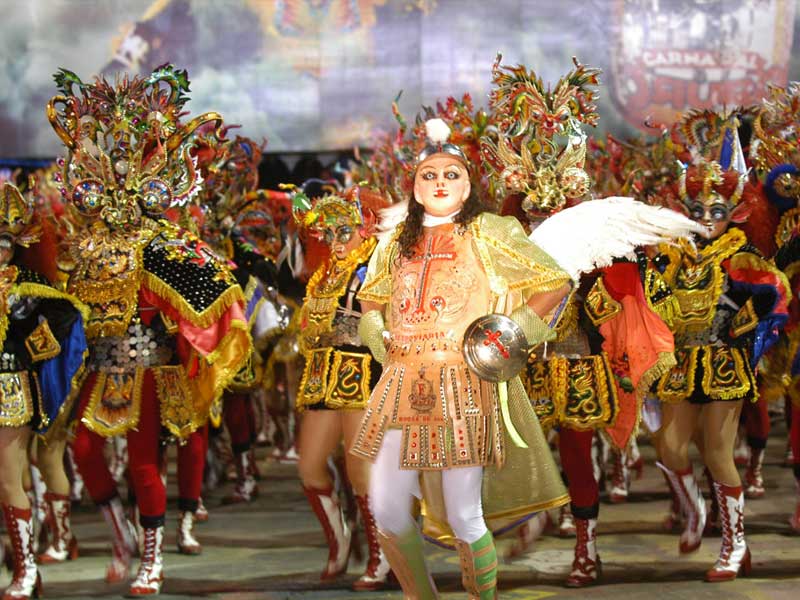
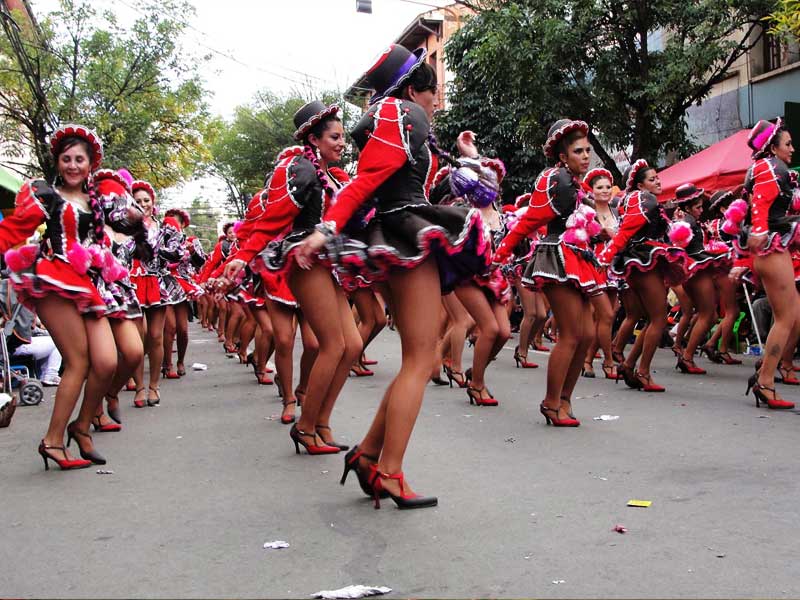
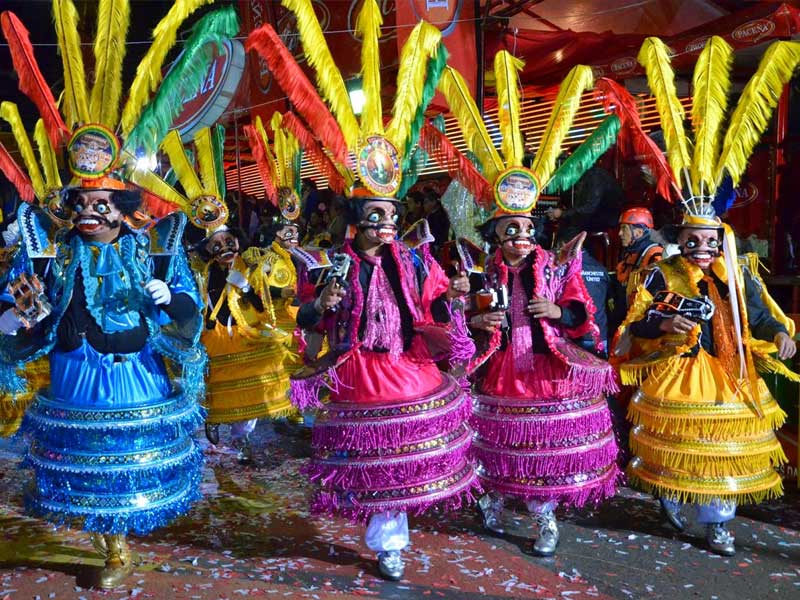
The Carnival of Oruro It is a celebration created by the Catholic religion during the times of the viceroyalty, thus becoming a “Masterpiece of the Oral and Intangible Heritage of Humanity.” (UNESCO) capable of generating cultural and faith manifestations in different social strata. The festival was transformed into a Christian ritual in gratitude to the Virgin of the sinkhole which is celebrated on 2 February. Throughout the festival more than 48 folklore groups that are distributed in 18 dance specialties that they gather from different parts of Bolivia and that make their pilgrimage to the Sanctuary of the sinkhole every carnival Saturday at the traditional “Entrada”. This celebration due to the great popularity it achieved in recent years; due to its great cultural manifestation and tourist attraction, It became one of the most important festivals in Bolivia and South America..
Currently
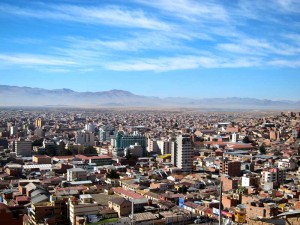
The celebration takes place in the city of Oruro, considered the folkloric capital of Bolivia. At the carnival of Oruro Pagan and Catholic religion still coexist in symbiosis, showing the world its unique religious syncretism, three days before the Saturday pilgrimage to the sanctuary of the sinkhole on the part of the 48 sets, people visit “condor” and a week later at “snake” south of the city, he “sapo” to the north and east the sandbanks (ants). The Oruro carnival is part of the rainy temporary structure of the highlands (Jallupachapa) which begins with the NOVEMBER rituals related to the cult of the dead in “TODO SANTOS” (Next week the first carnival treat), period that extends until FEBRUARY (Pilgrimage entrance to the Virgin of the sinkhole). According to the Law 602 of the Republic of Bolivia, They are organizers of the Oruro Carnival: The Municipal Mayor's Office Oruro, the Association of Folklore Ensembles (A.C.F.O.) and the Departmental Committee of Ethnography and Folklore of Oruro. Currently, The most important celebrations focus on the Sanctuary of Socavón. Son 18 dance specialties, being 48 the folklore groups registered in the A.C.F.O. The devotion of the dancers is so great for the Virgin of the sinkhole o (mamita Candelaria) who come from different regions of the country, and take an extensive tour, Upon arriving at the church, the dancers enter the sanctuary on their knees and with tears on their faces, asking the Virgin of the Virgin for a favor. sinkhole and in gratitude they promise to dance for three consecutive years. It all ends with two theatrical performances of Catholic works that focus, one on the Spanish conquest and the other on the triumph of the archangel Michael over the Devil..
Distinctions
1970 Oruro is declared capital of Folklore of Bolivia by decree. Taken to the rank of law in 1984.
1994 A decree of the Bolivian government declares the Virgin of Socavón Patroness of Bolivian folklore.
1995 The State of Bolivia recognizes the Carnival Entry of Oruro as Cultural Heritage, Traditional, Artistic and Folkloric, showing the meaning of popular and traditional culture.
2001 The United Nations Educational Organization, Science and Culture (UNESCO) proclaims the Oruro Carnival a Masterpiece of the Oral and Intangible Heritage of Humanity.
2008 The Oruro Carnival is Registered in the Representative List of the Intangible Cultural Heritage of Humanity.
2012 The Andean Parliament recognizes the importance of the Carnival of Oruro as “Intangible Heritage of the Andean Community expressed in its 48 folkloric groups and in their 18 dance specialties”
world heritage
An international jury of personalities, convened by the United Nations Educational Organization, Science and Culture (UNESCO), proclaimed the Carnival of Oruro as “Masterpiece of the Oral and Intangible Heritage of Humanity”. He 18 of May of the 2001, the proclamation was transmitted from Paris, France. The international jury was chaired by the writer Juan Goytisolo. The artistic world, cultural, academic and governmental was represented by the president of the Republic of Mali, Alpha Oumar Konare, the Kabaka of Uganda, su Majestad Ronald Muwenda Mutebi il, Princess Basma Bint Talal of Jordan, the Bolivian singer Zulma Yugar and the Mexican writer Carlos Fuentes. The carnival of Oruro being the conjunction of more than 28.000 dancers, nearly 10.000 musicians distributed in 150 bands, street dance with a stage full of more than 400.000 spectators from the country and foreigners in almost four kilometers of distance, in an unimaginable gathering of children, girls, women and men, that sing, they dance and work, in honor of the Virgin of Socavón, Patron saint of miners and Queen of Bolivian folklore. It became a center for the diffusion of Diabladas dance and music., brunettes, caporales, tuffs, Tinkus, etc. and thus become a “Masterpiece of the Oral and Intangible Heritage of Humanity”.
dance specialties
The historic importance in the que gravito Oruro and its great cultural and religious influence make its carnival a natural setting that reflects the interculturality of the different areas of Bolivia within its 416 miles blocks.
The Andean-altiplanic area of Bolivia at the foot of which are the valleys called Yungas where the Negritos dances come from., Saya and the Caporales. The dense population of this area where the departments of Potosi, Oruro and part of Peace It is rich in folklore and many of these dances participate in the Oruro Carnival, Among these dances are the morenada, the devil, the Tinku, llamerada, kulawaada, Kallawayas, the little doctors, Incas and Kantus who coexist in time and space doing all, the glittering Carnival of Oruro.
The valley area occupied by Cochabamba, Taria y Chuquisaca inspired the dances of Pujllay and Potolos.
The plains and the jungles with the Departments of Holy Cross, Beni, Pando and part of Taria y Chuquisaca the chunchos and Tobas come from, war dances that involve other ethnicities within them.
• Diablada.
• Morenada
• Tuffs
• Caporales
• Tinkus
• Incas
• Callers (LLamerada)
• Contribute
• Suri Sicuri
• Antawaras
• Ahuatiris
• Make a call
• tarqueada
• Security
• Zampoiros
•
• Would sing
• Salaque
• Tundiquis
• Kallawayas
• Chacarera
• Taquirari
• You run away (wititis)
• Chiriguanos
• Jalq'as o feet
• Little doctors
• Waca tokoris
• You are lazy
• Phujlay
• Negritos
• I am Afro-Bolivian
• Diarrhea
• Moseñada
• Pastorcita
• Macheteros
• Miners
• Sheet metal wheel
• Potolos
• Kusillos

The-carnival-of-oruro
More similar places

January 27, 2016
October 27, 2015
November 24, 2015
October 19, 2016