Coqueza Chantani – Potosi
[sphere 327]

Recommendations
Getting to know the entire environment is an unforgettable activity since it has unique landscapes in the world., However, being at a high altitude between 3600 until 5000 mt tall, far from cities , with limited services and difficult roads, It is necessary to consider the following recommendations.
Due to the type of places, they must carry the following:
– Protector solar
– Small cut banknotes
– Sleeping bag
– Personal first aid kit
– sunglasses
– Long trouses
– Long sleeve t-shirts
– warm clothing
– Gloves
– Flashlight
– Lip cream
– Hand and face cream
– wool hat
– Sun cap
– Chalina
– hiking boots
Use.- Take care of your backpacks and always be attentive to anything.
Altitude 4000 – 5000 masl
Temperatura mine. -10 C – Max. 20 C
[tabby title=”Description” open=”yes”]
Coqueza Chantani – Potosi
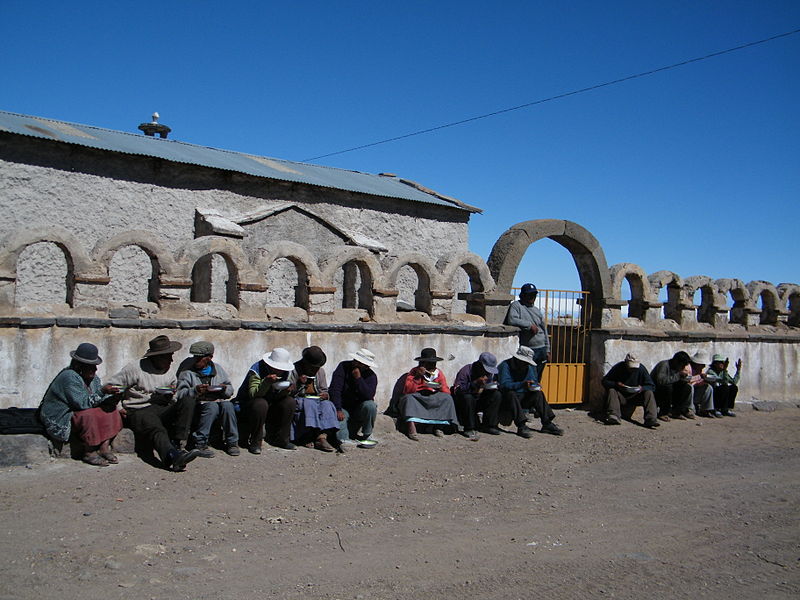
The town of Coqueza Chantani is located in the Municipality of Tahua, from southwestern Bolivia, located in the province of Daniel Campos, in the department of Potosí. It is located approximately 200 km west of the departmental capital, the city of Potosí and 90 km from Uyuni through the Salar of the same name.
The populated area sector of Coqueza is located in the following UTM coordinate: X= 643811 Y=7798826. Height: 3.689 masl. The community boundaries are:
To the North with the Alianza community, from the department of Oruro
To the East with the community of Ayque, municipio de Tahua, Daniel Campos Province of the Department of Potosí.
To the South with the Uyuni salt flats of the Province. Daniel Campos from the Department of Potosí.
To the west with the Chantani community of the municipality of Tahua.
The town of Coqueza is linked to the city of Oruro through a paved road between Oruro – Huari, then an earthen embankment from Huari – Tahua – Coqueza and a saline stretch between Uyuni – Cokeness.
The economic activities of the population are: the tourist service under a communal association that has legal support. In second place, agriculture with the cultivation of quinoa (400 hectares per year of cultivation in total).
Due to the ecological characteristics of the region, quinoa cultivation (Royal Quinoa) is the most important, with an average production of 20 quintals per hectare. Quinoa production has become an important agricultural business, A significant growth in demand for these products has been generated in recent years., being approximately a 50% destined for sale and the rest for own consumption and barter for seeds.
Livestock farming is another significant activity, counting as an average of 35 heads of llamas per family.
[tabby title=”+Places”]
[do_widget id=arpw-widget-12]
[tabby title=”+info PDF”]
[gview file=”https://boliviaesturismo.com/wp-content/uploads/2016/01/salar-de-uyuni.pdf” save=”0″]
[tabby title=”Tourism Companies”]
[do_widget id=arpw-widget-6]
[do_widget id=arpw-widget-13]
[do_widget id=rednao_smart_forms_widget-2]
[tabby end]