Museum of Musical Instruments of Bolivia – Peace
History and context
-
The museum was originally founded by Ernesto Cavour Aramayo, musician, researcher and manufacturer of Andean instruments. boliviaentusmanos.com+3La Paz Life+3Wikipedia+3
-
In 1962 It began as the “Charango Museum”. Wikipedia+1
-
Later it was expanded and renovated to become the “Musical Instruments Museum of Bolivia.”, with a much broader collection than just charangos. Wikipedia+2boliviaentusmanos.com+2
-
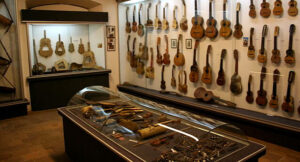
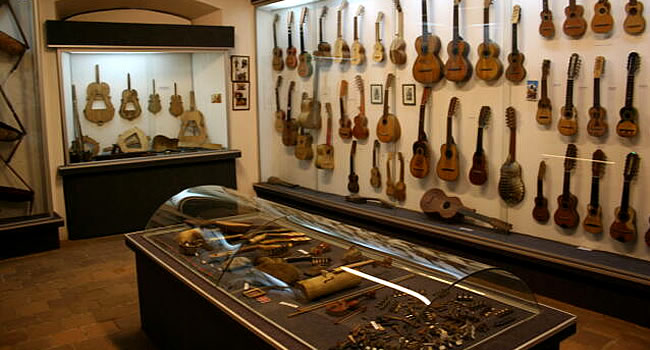
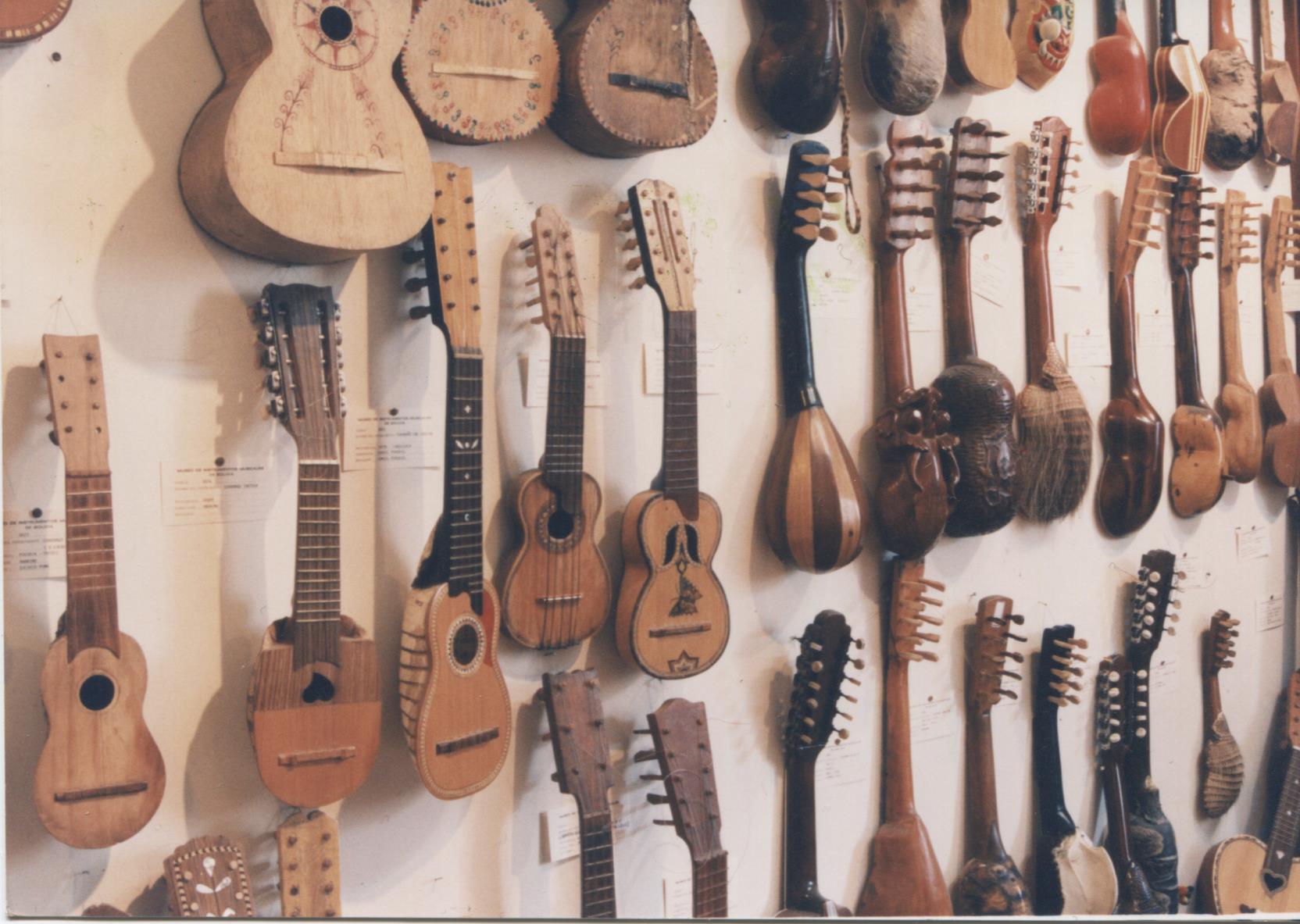
The collection incorporates pre-Hispanic instruments, colonial, modern, and also inventions of Cavour himself.
Collection and exhibitions
-
More than 2.000 instruments from various regions of Bolivia (although some sources even speak of “more than 10.000 instruments” in a stage). boliviaesturismo.com+2Charangos from Bolivia+2
-
Types of instruments: zampoñas, quenas, charangos (in many ways), drums, aerophones, instruments of Andean cultures, etc. boliviaentusmanos.com+1
-
It is organized by theme rooms: pre-Hispanic instruments, chordophones, aerophones, instruments of the world, innovative instruments. Wikipedia+1
-
An interesting part is that the museum also functions as a space for small concerts and demonstrations of traditional Andean music..
Location and practical information
-
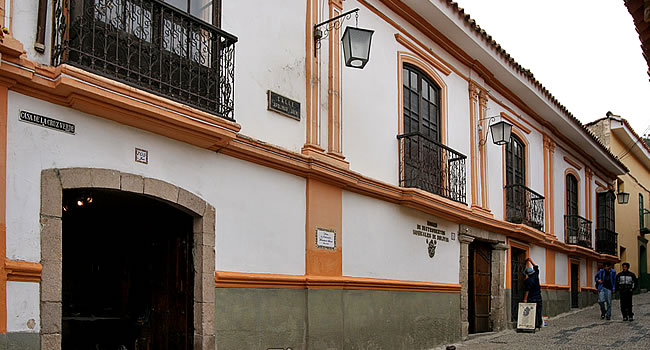
Address: Apolinar Street Jaén No. 711, Peace, Bolivia. boliviaentusmanos.com
-
Approximate times: The page “Bolivia in your hands” indicates Monday to Saturday 9:30 a 18:30. boliviaentusmanos.com
-
Telephone: +591-2 240-8177 (or another similar number according to the list). boliviaentusmanos.com+1
-
Altitude: Peace is around 3.600 m.s.n.m. and the museum is in the historic center, so it is recommended to acclimatize.
Why is it worth visiting??
-
It's a pretty unique museum.: not many museums combine indigenous instruments, historical and modern of Bolivia.
-
Location in the historic center of La Paz (Jaen street) makes it accessible on a cultural urban walk.
-
For music lovers, It is a place of discovery.: see how instruments are built, its evolution, its uses.
-
Good complement if you are exploring the Andean heritage, Bolivian musical culture, or if you want a different experience in La Paz.
Tips for the visit
-
It takes some time: although it is not a large museum like some international art museums, has enough to get through maybe 1 – 2 hours.
-
Check the schedule in advance, because in small museums there may be changes or closing days.
-
Consider arriving early: The historic center of La Paz can be more lively in the morning, and altitude can affect if you come from lower regions.
-
Take the opportunity to also see Jaén Street, which has other museums and good colonial architecture.
-
If you are interested in music, look if there are any live musical performances (Some visitors mention that).
Similar items

October 14, 2025
July 18, 2015
November 24, 2015
June 17, 2016
August 8, 2015