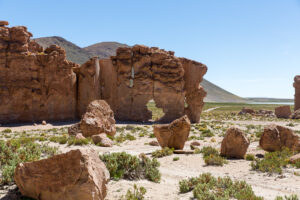
Salar de Uyuni – Potosi
Recommendations
Getting to know the entire environment is an unforgettable activity since it has unique landscapes in the world., However, being at a high altitude between 3600 until 5000 mt tall, far from cities , with limited services and difficult roads, It is necessary to consider the following recommendations.
Due to the type of places, they must carry the following:
– Protector solar
– Small cut banknotes
– Sleeping bag
– Personal first aid kit
– sunglasses
– Long trouses
– Long sleeve t-shirts
– warm clothing
– Gloves
– Flashlight
– Lip cream
– Hand and face cream
– wool hat
– Sun cap
– Chalina
– hiking boots
Use.- Take care of your backpacks and always be attentive to anything.
Altitude 4000 – 5000 masl
Temperatura mine. -10 C – Max. 20 C
Salar de Uyuni – Potosi – Bolivia
The Uyuni salt flat is the largest continuous and high salt desert in the world, with a surface of 10 582 km² (o 4085 square miles).1 It is located about 3650 masl in the southwest of Bolivia, in the province of Daniel Campos, in the department of Potosí, within the highland region of the Andes Mountains. The Uyuni salt flat is the largest lithium reserve in the world with the 90 % of global lithium, and it also has significant amounts of potassium, boron and magnesium.
The area that this desert occupies today was covered ago 40 000 years by Lake Minchinnota 1 and later, does 11 000 years, by Lake Tauca or Tauka.note 2 The Coipasa salt flat and the Poopó and Uru Uru lakes are also vestiges of these large prehistoric lakes.. These reached a level of around 100 m above the current level of the salt flat and covered the current salt flats of Uyuni and Coipasa, and lakes Poopo and Uru Uru. In this period a phase of humid weather, with more rain than currently, raised the level of the protolakes to approximately 100 m higher than current level, Then came a dry and warm period, which produced a great reduction in the surface and volume of the Andean lakes, thus originating the current salt flats and lagoons.
The Uyuni salt flat, in addition to what was stated above, contains very important compounds for basic and industrial chemistry. In Bolivia, In the geological past, there were extensive lakes larger than the current ones., known by the names of Ballivián, Minchin and Tauca. The first was a predecessor of Lake Titicaca; The second extended from Uyuni to the north and Lake Tauca, due to evaporation, gave rise to the Uyuni salt flat..
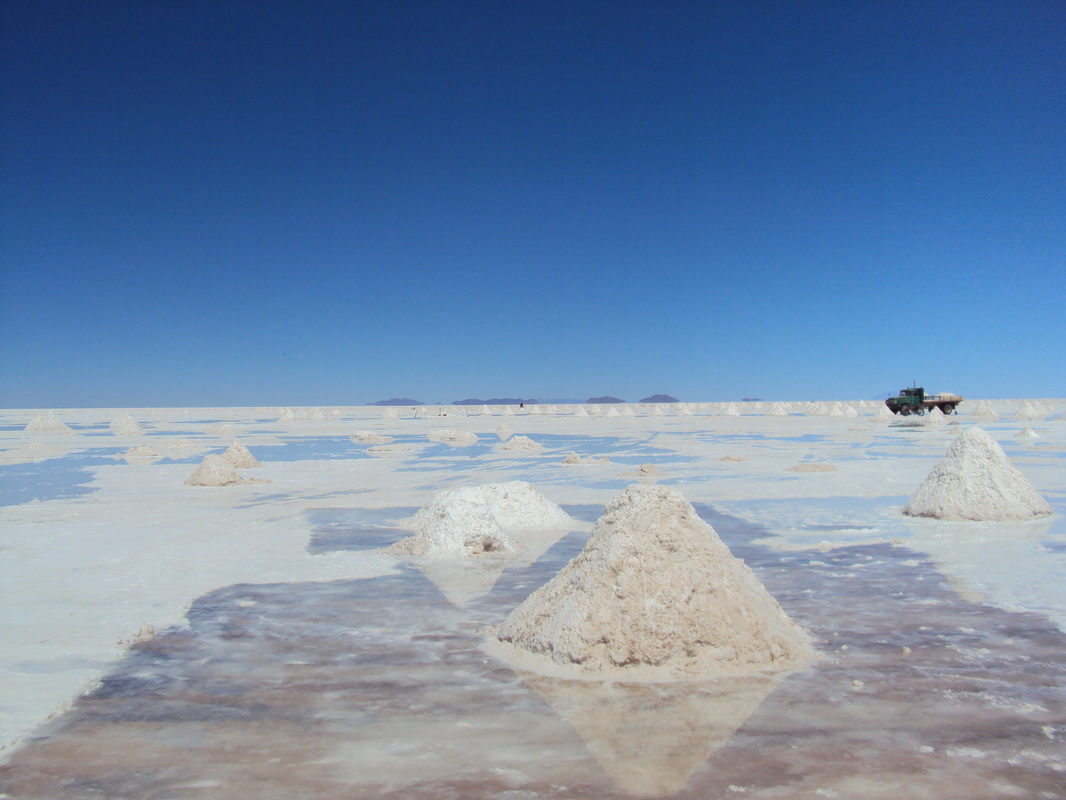
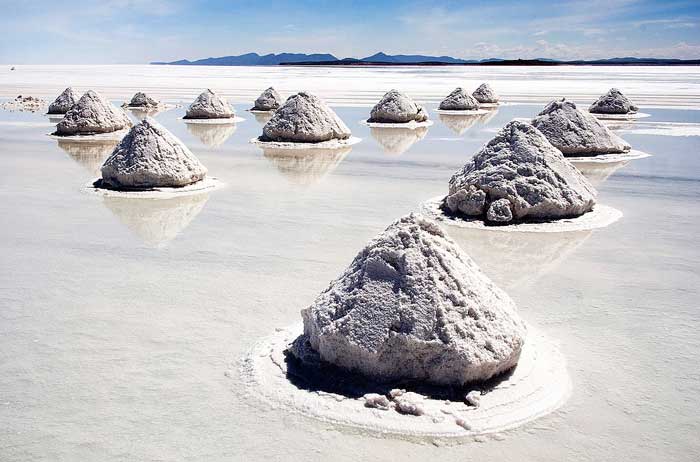
The Uyuni salt flat, as estimated, contains 10 billion tons of salt, of which 25 000 tons are extracted every year, It also has 140 million tons of lithium, according to official data from the state Mining Corporation of Bolivia (COMIBOL), becoming the largest reserve of this mineral in the world.
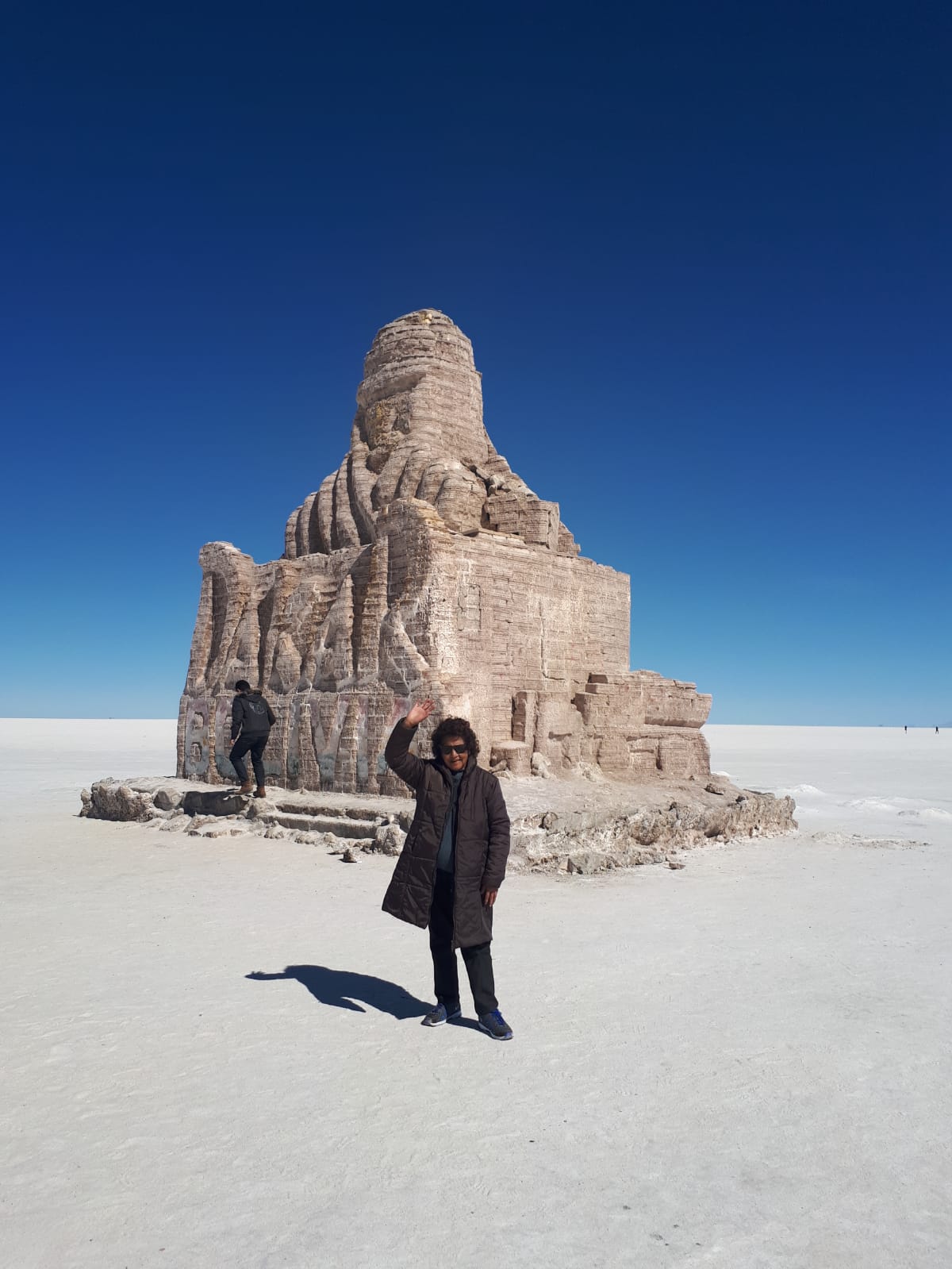
A report from the United States Geological Survey indicates that in the Salar de Uyuni there are 6,5 million tons of lithium. All the miners who work in the salt flat belong to the Colchani Cooperative. Every November, The Uyuni salt flat is also the breeding ground for three species of South American flamingos.: the chilean, James and Andean. This is also a significantly tourist destination. The highlights that appear in the image, on the white background, include a hotel built entirely of salt and several islands. Because the terrain of the salt flat is so flat, it serves as a transportation route through the Bolivian highlands..
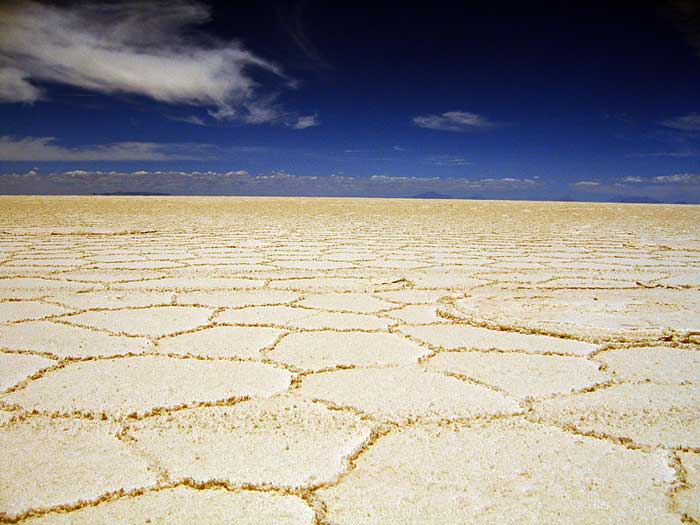
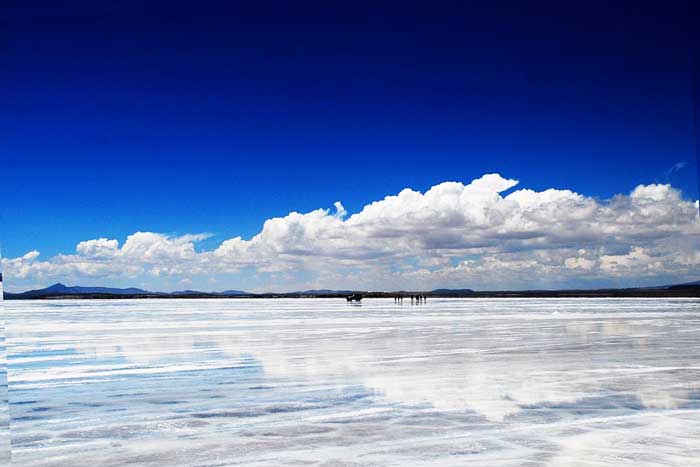

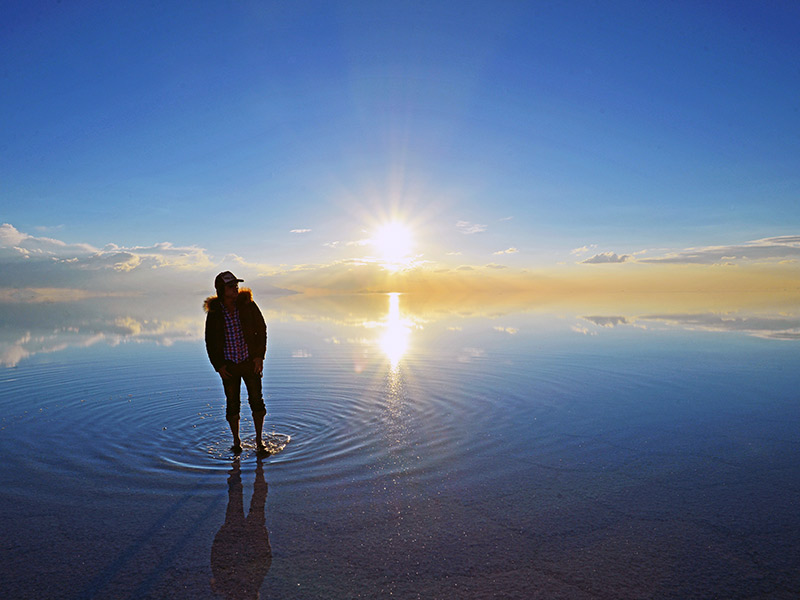
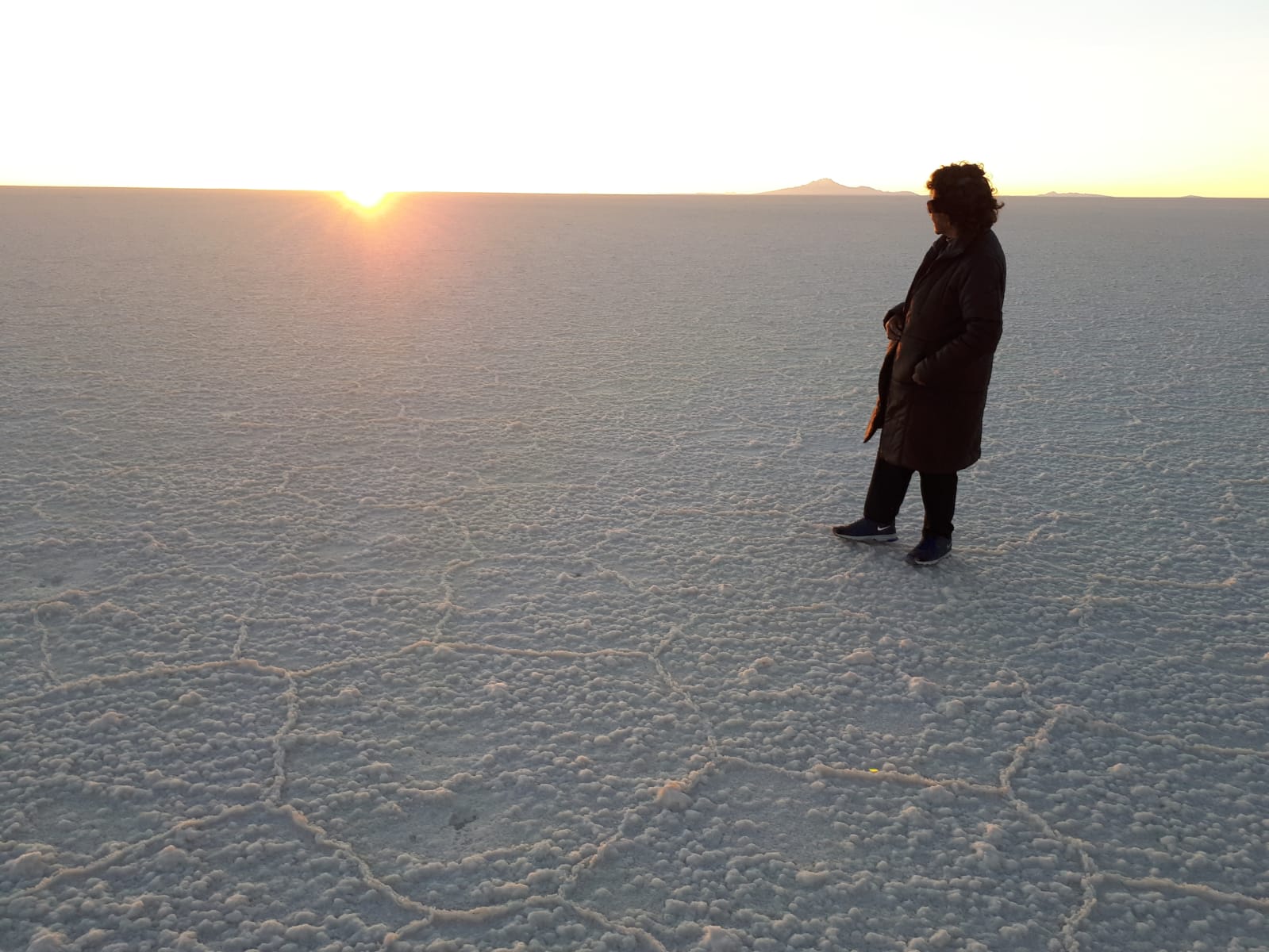
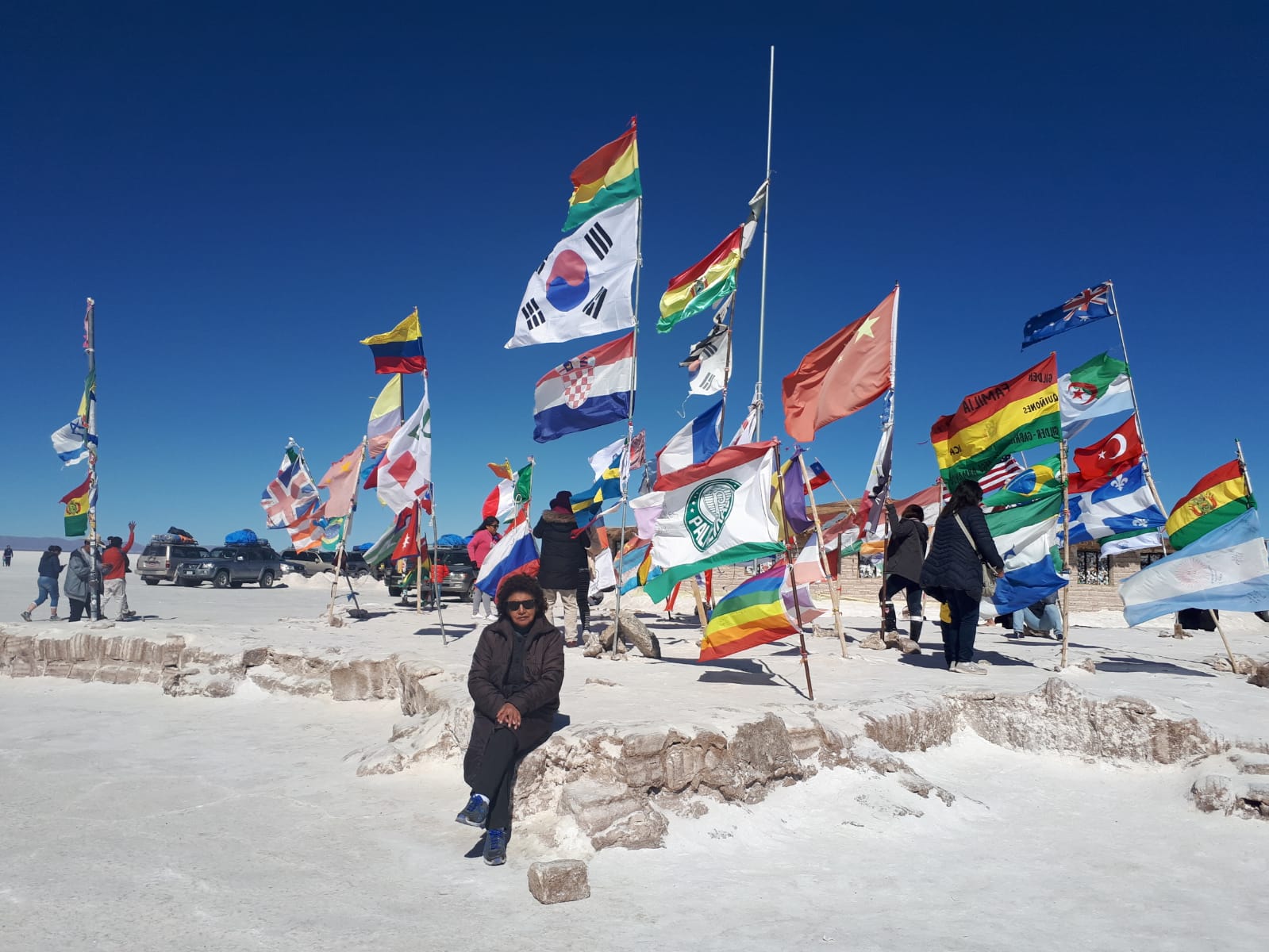
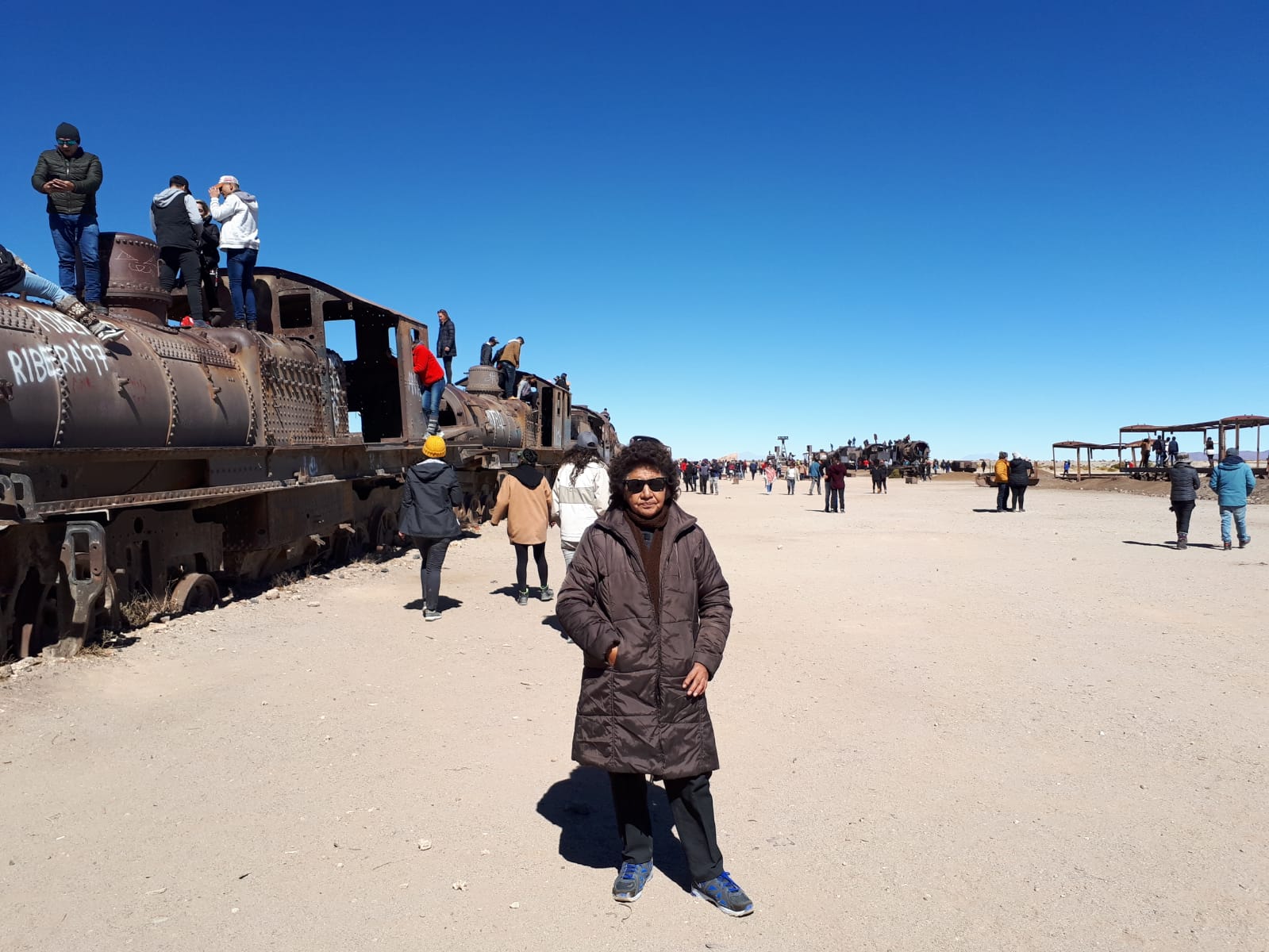
Due to its large size, the high percentage of smooth surface and high reflectivity; when the water cover that covers it during a time of year decreases, The surface of the Uyuni salt flat works up to five times better for satellite calibration than using the ocean surface. In September 2002 a team took elevation measurements with the Global Positioning System (GPS) detailed of a part of the salt flats, which were used to evaluate the accuracy and precision of the ICESat instruments.
There are approximately 11 layers of salt, with thicknesses that vary between less than one meter and ten metersnote 3 . The crust found on the surface has a thickness of 10 metros. The depth of the salt flat is 120 metros, which is composed of layers of superimposed brine and lake mud.
The Uyuni salt flat is also one of the main tourist destinations in Bolivia since it is visited by approximately 60 000 tourists every year.
In the month of November it becomes the breeding place for three species of flamingos: southern flamingo, the big parina, and the girl parina.
Giant cacti up to 10 m high are found on Isla del Pescado. This island is the largest of the group of islets located in the center of the Uyuni salt flat.. It is also a tourist center within the salt flat..
mummies of 3000 years old were discovered in a cavern on the edge of the salt flat.
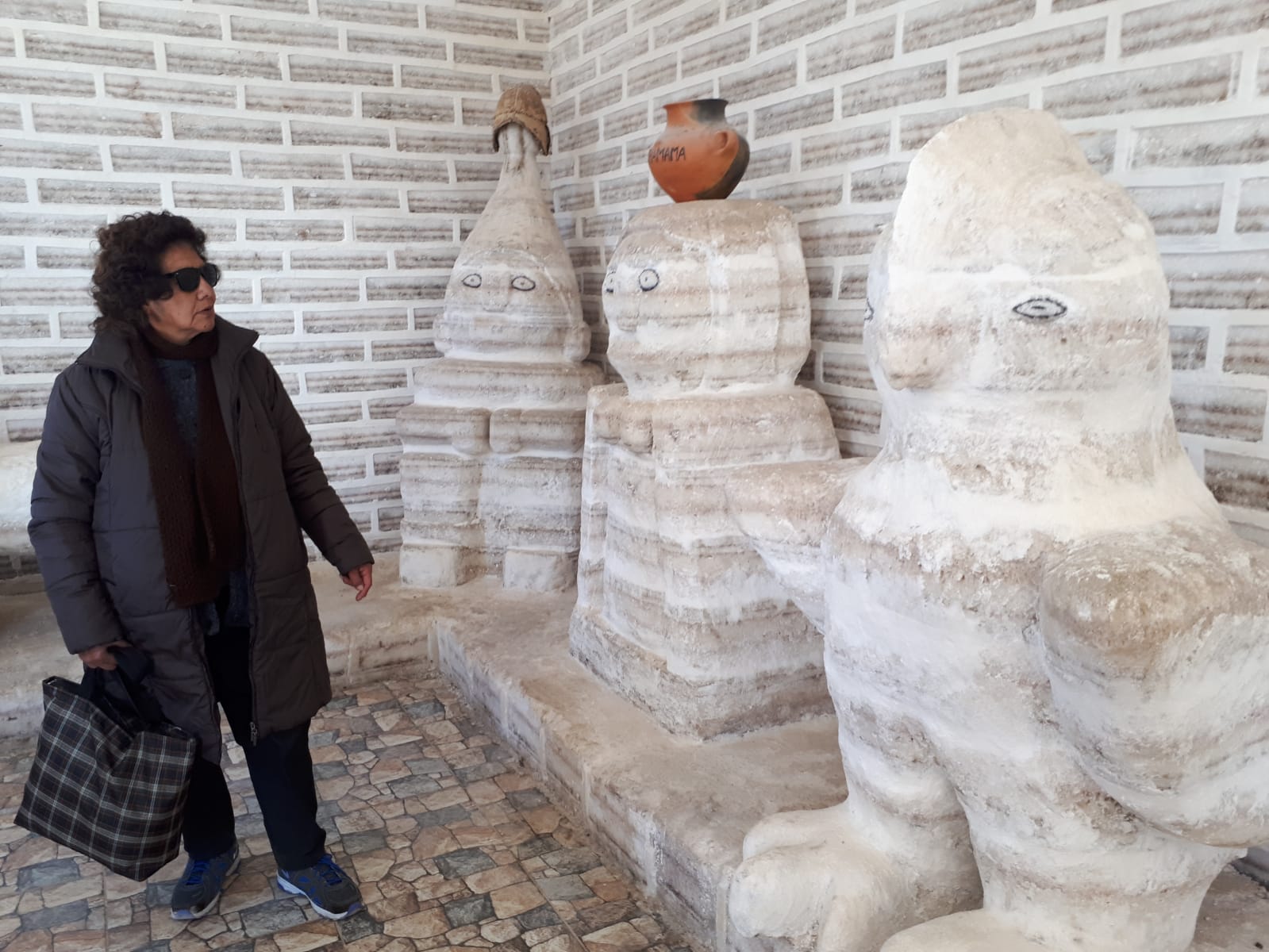
On the banks of the salt flat there are several hotels built with blocks of salt., characteristic that places them among the most extravagant hotels in the world.