Tiwanacu National Museum of Archeology – Peace
Altitude 3,640 m.s.n.m.
Basic information and location
-
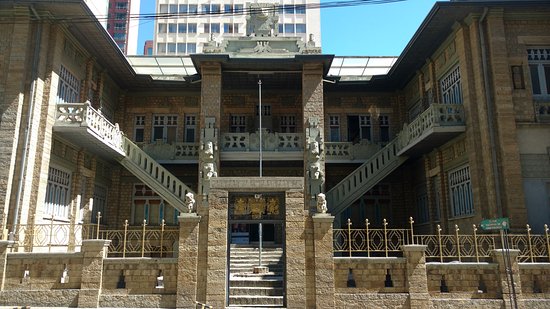
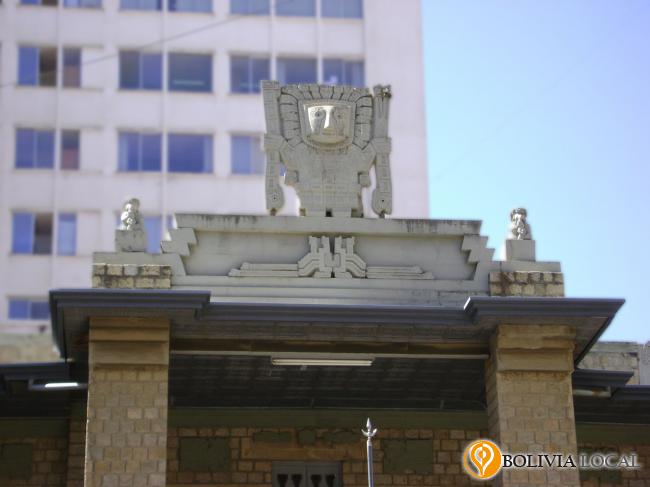
This museum is located in the Tiwanaku Palace, a building that was declared National monument he 14 February 1990, through the Supreme Decree 22427.
-
Address: Tiwanaku Street NO93 Federico Zuazo Street, in the center of the city of La Paz.
-
It is part of the Archeology and Museums Unit, which depends on the Ministry of Cultures and Tourism of Bolivia.
History
-
Although the museum has ancient roots, as a formal institution it was reorganized under the name of National Museum of Archeology he 31 January 1960.
-
The “Palacio Tiwanaku” building was purchased by the State in 1922, after it was rented to house national museums (archaeological, mineralogical) previously.
-
Before that, The Public Museum of Bolivia already existed since 1838, but without its own permanent space for archaeological collections.
-
A key character in the history of the museum and Bolivian archeology is Carlos Ponce, who promoted studies in Tiwanaku, created the “Tiwanaku Archaeological Research Center”, He worked as director of the museum and was responsible for major restorations at the archaeological site (for example the Kalasasaya temple).
-
Another relevant character is Arthur Posnansky, who greatly influenced local archeology and museography, and whose ideas (some controversial) marked part of Tiwanaku's interpretation.
Collections and rooms
The museum has a wide variety of archaeological pieces that represent different cultures of Bolivia:
-
More than 18 000 pieces archaeological are registered, coming from various regions of the country (West, East, valles, etc.).
-
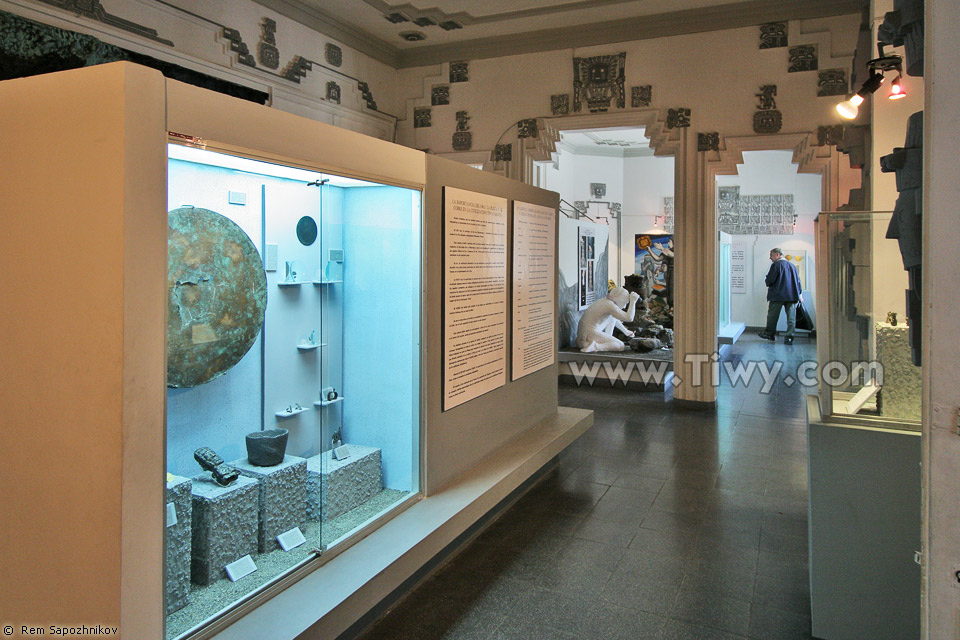
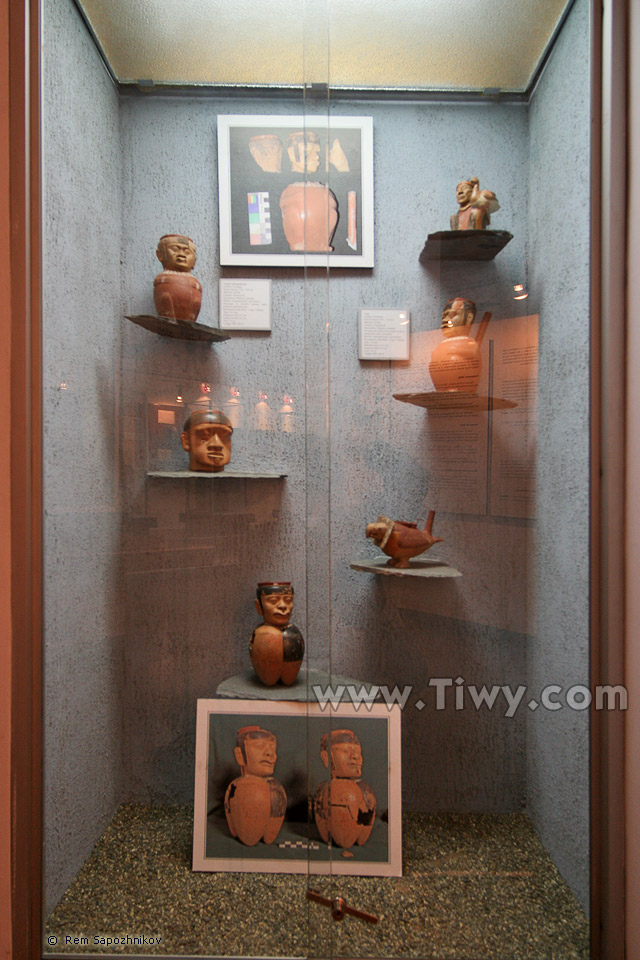
Shows lithic objects, ceramics, stone sculptures, metal objects, textiles and funerary remains.
-
Among the cultures represented: Tiwanaku, Random, Wash me, valley cultures, from eastern Bolivia, and elements of the Inca Empire.
-
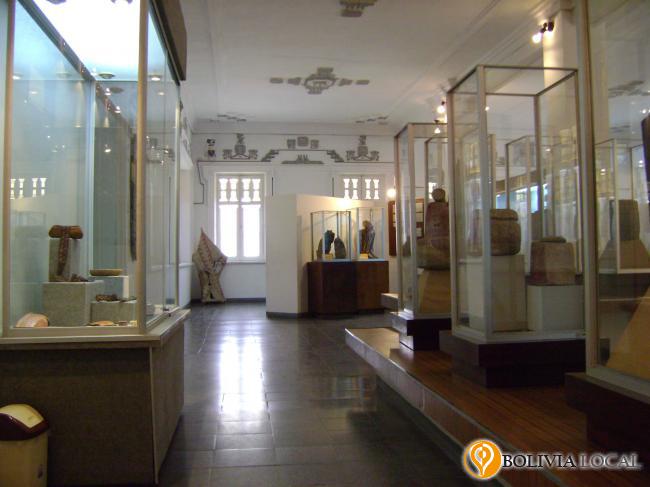
The museum rooms are organized chronologically and thematically.. For example:
-
A room with a general historical tour of Bolivia.
-
Specific room for Tiwanacota culture (with Pariti materials, Amaguaya, etc.).
-
Room of the different Bolivian regions (exhibiting Inca materials, from the east, etc.).
-
stone room, metal and textiles.
-
A room dedicated to the funeral theme, with mummies, burials and skeletal remains.
-
-
There are also temporary exhibitions, Renewed museography and a “Lithic Museum” within the architectural complex.
-
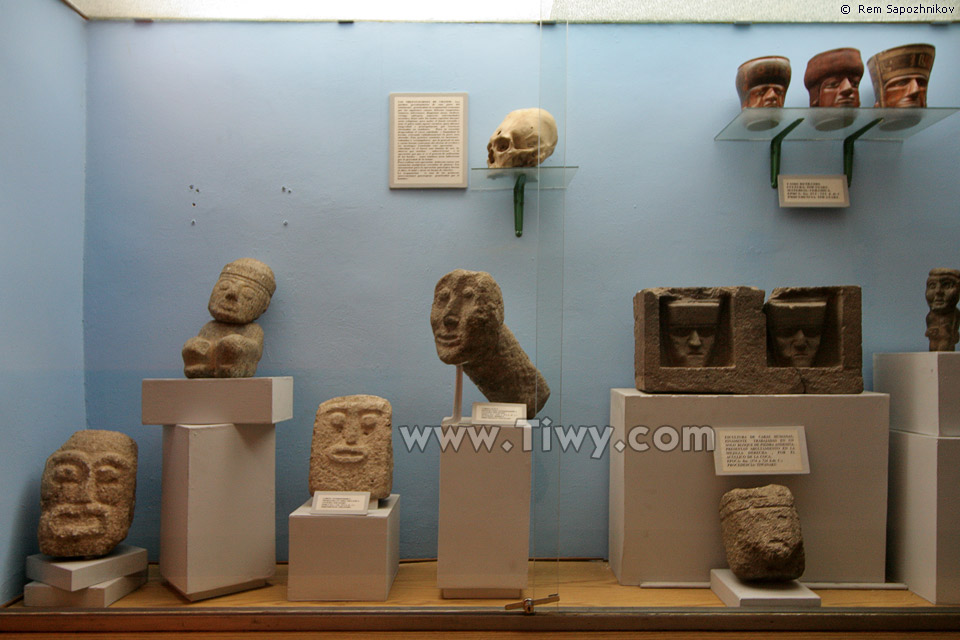
Andesite sculptures are exhibited in the Lithic Museum, basalt, sandstone, diorita, with anthropomorphic and zoomorphic representations.
-
Featured pieces include the Estela Bennett, of more than 7 meters high, and other monumental sculptures.
Schedules, costs and practical data
-
Typical schedule: Monday to Friday from 09:00 a 12:30 and of 15:00 a 19:00.
-
Saturdays: of 09:00 a 12:00.
-
Sundays usually closed (or with reduced hours) according to tourist sources
Cultural importance and relationships with the Tiwanaku archaeological site
-
Although the museum is in the city of La Paz, is closely linked to Tiwanaku archaeological site, located about 72 km from the city.
-
The museum serves as a museum management center, investigation, exhibition and dissemination for the archaeological complex.
-
In conjunction with the archaeological site, is part of the Spiritual and Political Center of Tiwanaku Culture.
-
The museum also participates in the restitution of archaeological pieces that were in foreign collections, for example the figure of the Ekeko that was in Switzerland and was returned to the museum.
Suggested visiting route
To make the most of your time inside the museum:
-
Sala 1: General history of Bolivia / chronological introduction
Start in this room for context: ancient cultures that preceded Tiwanaku. -
Sala 2: Tiwanacota Culture
Here you will see emblematic pieces of Tiwanaku, like ceramics, ritual figurines, symbolic objects. -
Sala 3: Region and cultural expansion
Works of the cultures of the valleys, East, the Inca empire and how they influenced or interacted with Tiwanaku. -
Sala 4: Materials: piedras, metal and textiles
It is where you see the material techniques in stone (sculptures, trails), ancient metals and fabrics. -
Sala 5: Funeral contexts / death
Exhibit mummies, burials, trophy heads and recreations of mortuary rites. -
Temporary exhibitions
Be sure to check if there are temporary exhibitions on special topics. -
Museums at the archaeological site (if you visit Tiwanaku after)
There you can see the Ceramic Museum and the Lithic Museum, with original pieces from the place.
Featured pieces / emblematic objects
Here are some of the most famous pieces that you can look for inside the museum or on site:
-
Bennett Monolith
It is one of the largest stelae that exist from the Tiwanacota culture., of more than 7 meters high. -
It's over
Basalt sculptures with a figure of a warrior with a puma head, that were placed in sacred accesses. -
Steles and anthropomorphic and zoomorphic sculptures
Carved in stone like andesite, basalt, sandstone, diorita, with mythological motifs. -
Ritual and decorative ceramics
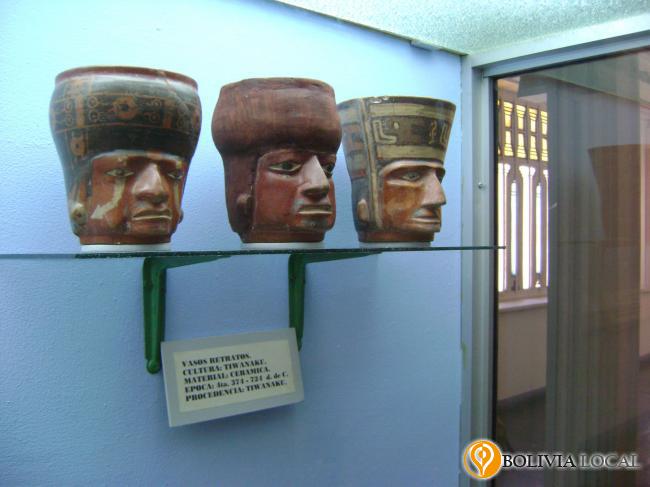
Vessels, jugs, “portrait vase” pieces with model human faces and symbolic decorations. -
old textiles
Samples of fabrics from highland cultures with symbolic designs, use of natural colors and materials. -
Funerary objects and mummies
ancient burials, trophy heads, mortuary rituals of pre-Hispanic cultures.
More similar places
July 28, 2015
June 17, 2016
August 8, 2015
June 19, 2016
July 4, 2015