Simon I Museum. Patino – Oruro
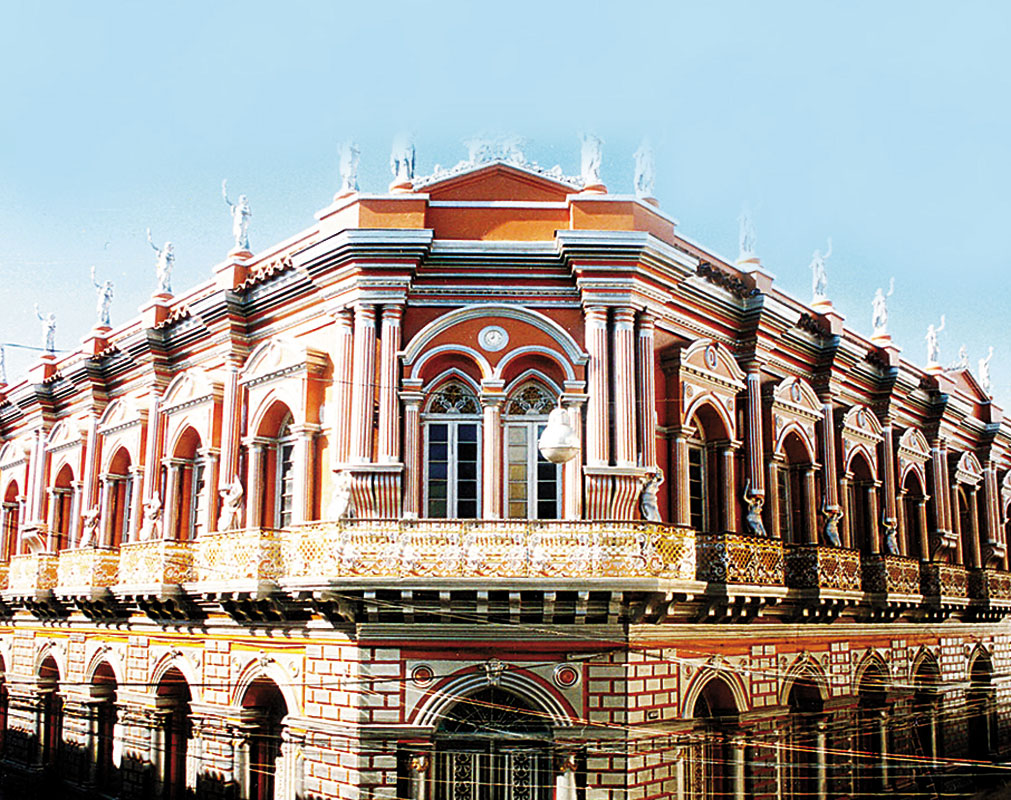
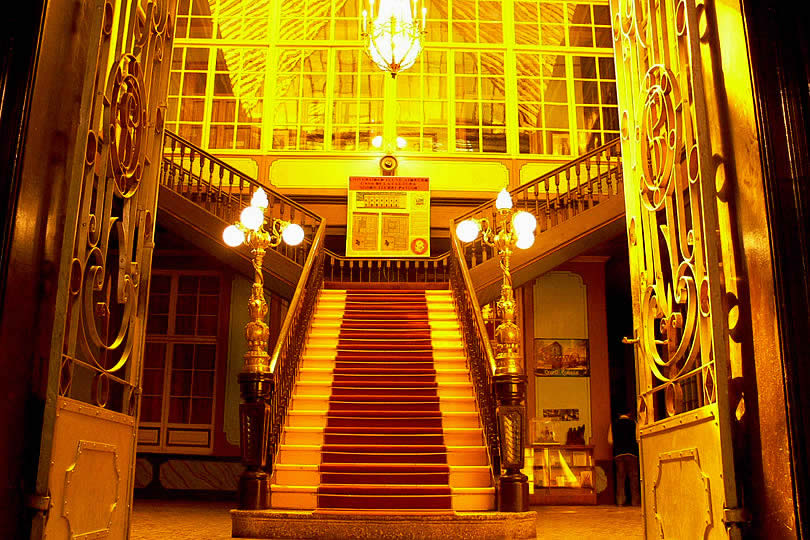
Simon I Museum. Patino. Oruro, industrial and commercial city has among its historical monuments one of the most important stately homes of the 20th century,…
Basic data
-
Full name: Simon I Museum. Patino (also called the Patiño House of Culture).
-
Location: Calle Soria Galvarro #5755, between the streets Ayacucho and Cochabamba.
-
Dependence: It belongs to the Technical University of Oruro (UTO), as part of the House of Culture.
-
Architectural style: neoclassical / French, with strong European influence.
-
Construction period: between 1900 y 1903, although some sources also mention up to 1913.
-
family history: The residence was owned by Simón Iturri Patiño, mining magnate known as “the Tin Baron”. His family lived there until 1912.
Contents and attractions
These are some of the pieces and environments that you can see in the museum:
-
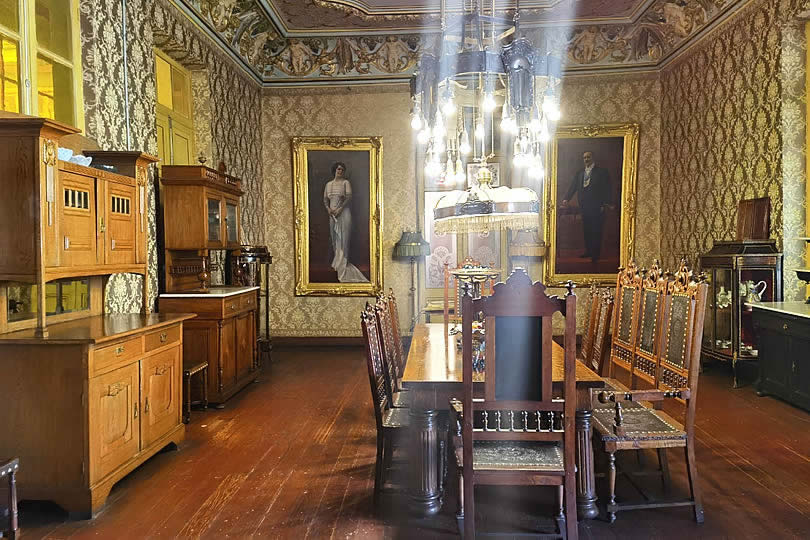
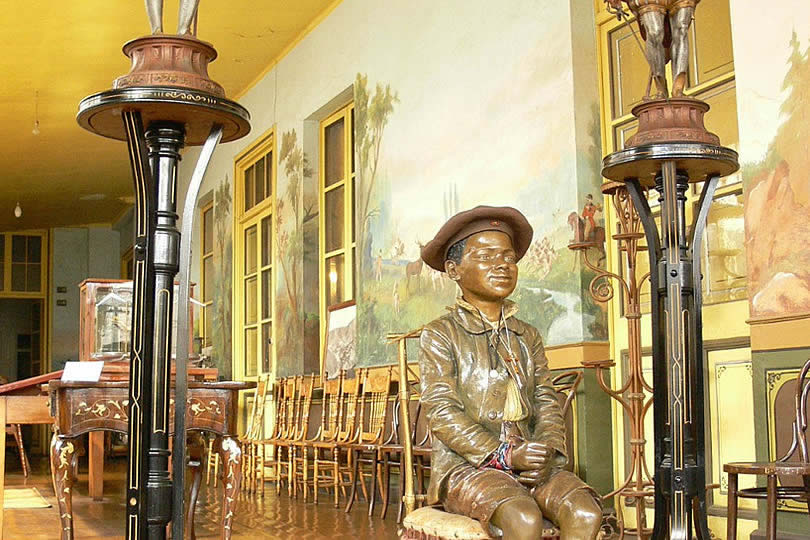
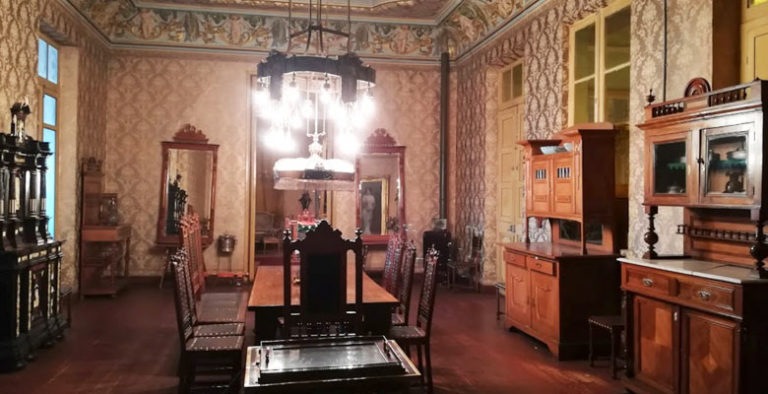
Original furniture from European times: LuisXV styles, Louis XVI, LouisXVII.
-
Art gallery: paintings and works of art, both colonial and contemporary.
-
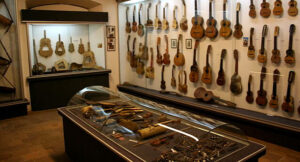
Ancient musical instruments.
-
Vintage floats, some french.
-
Decorative objects: sculptures, ornamental objects imported from Europe.
-
Interiors set: living rooms, party room, bedrooms, chapel, game room, etc.
-
in the chapel: a gold-plated Christ is mentioned, latin bible, mats with gold and silver threads.
-
old devices: German equipment appears in kitchens, old refrigerators, fine french dinnerware.
-
Photographic documentation: photographic archive is exhibited with images of the mines that belonged to Patiño, the city of Oruro, etc.
Schedules
-
Suggested schedule:
Monday to Friday from 09:00 a 12:00 y 14:30 a 16:30 -
weekends: Saturday and Sunday cerrado
Current condition and restorations
-
In 2025 A partial restoration of the museum began to repair structural damage.
-
It is planned to reopen doors around the 5 June (coinciding with Museum Day).
What is known about its structure
-
The building has two floors.
-
has a “T” shaped staircase that connects the ground floor with the upper floor.
-
The rooms are decorated as they were: visiting room, dining room, game room, sewing room, bedrooms, private chapel, cocina, bathrooms, etc.
-
The style and distribution show neoclassical influence / French with specific decoration for each room (imported furniture, ornaments)
Similar items

July 18, 2015
December 31, 2015
October 19, 2025

July 3, 2018
July 4, 2015